
Historical introduction
A painted admonition shaped by court disorder
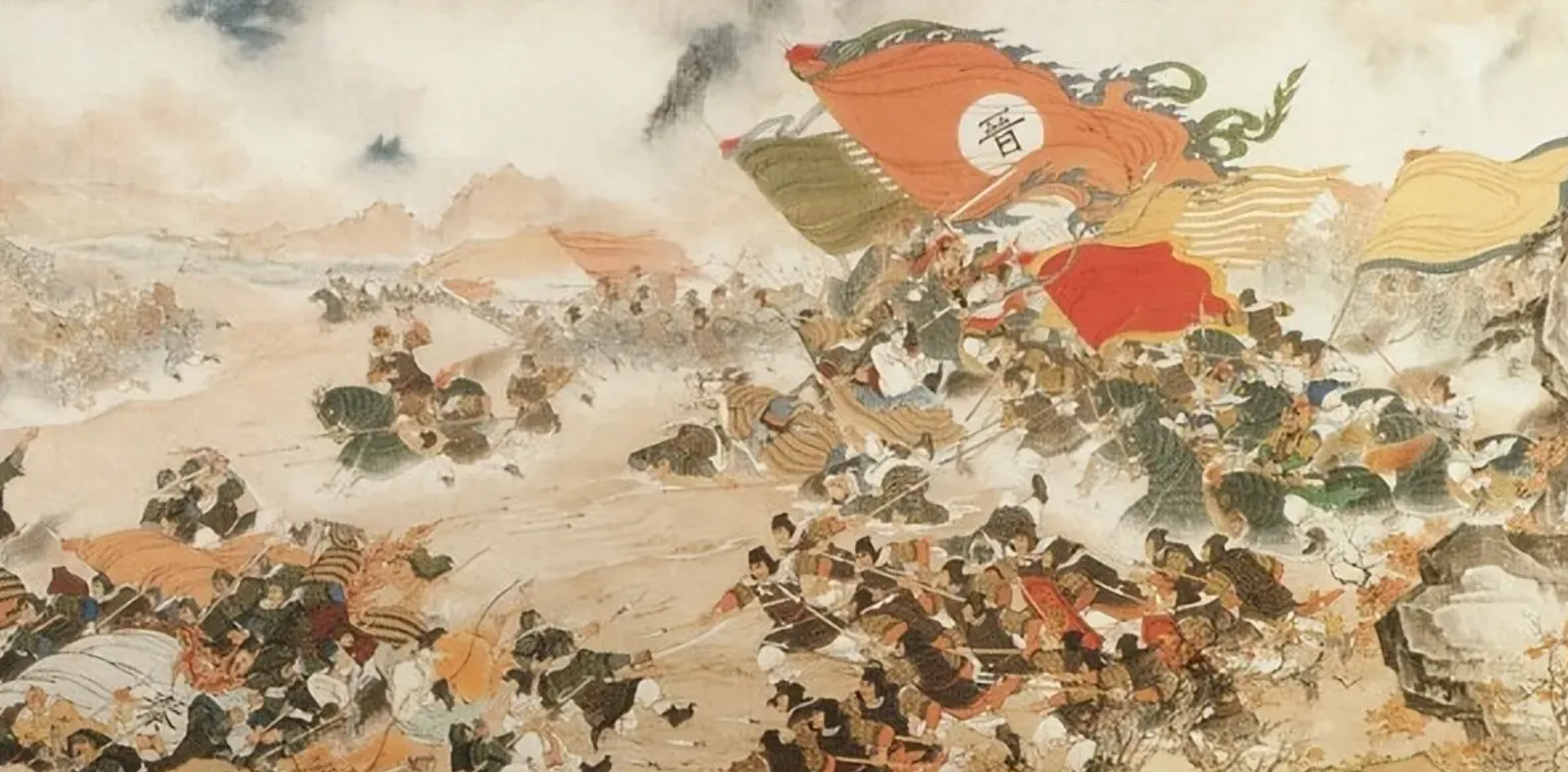
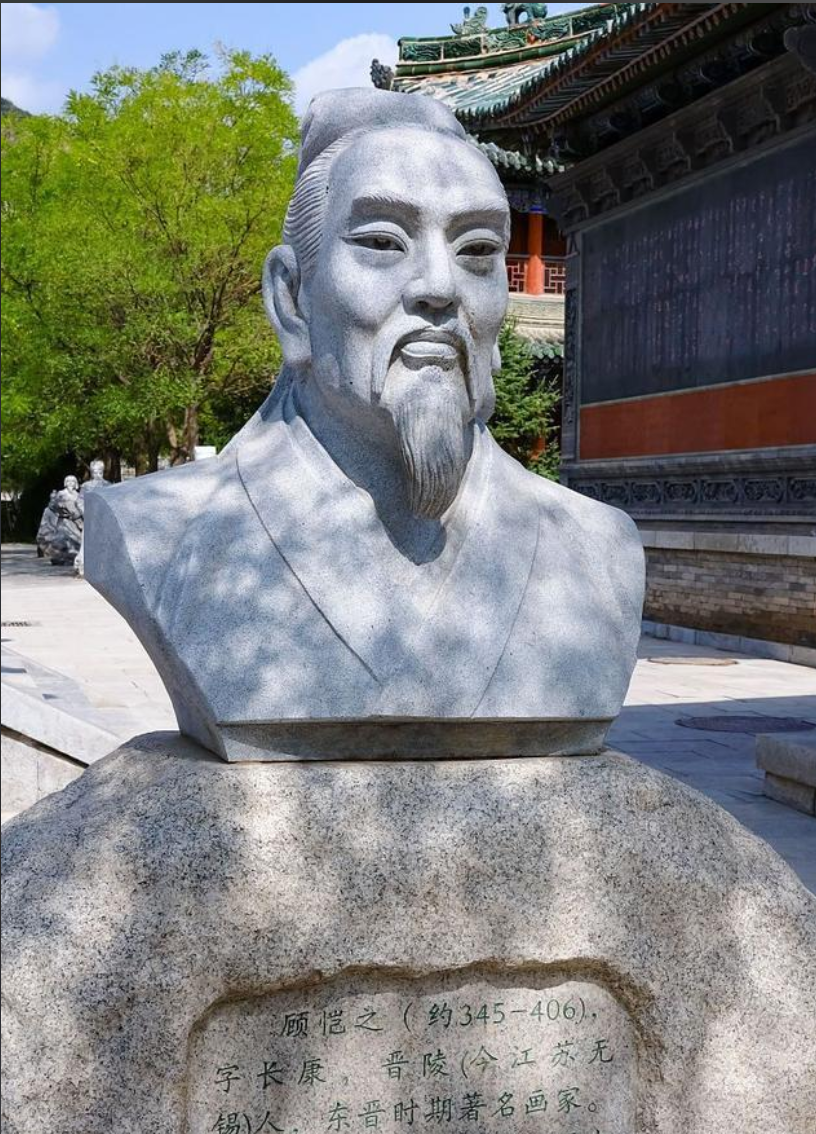
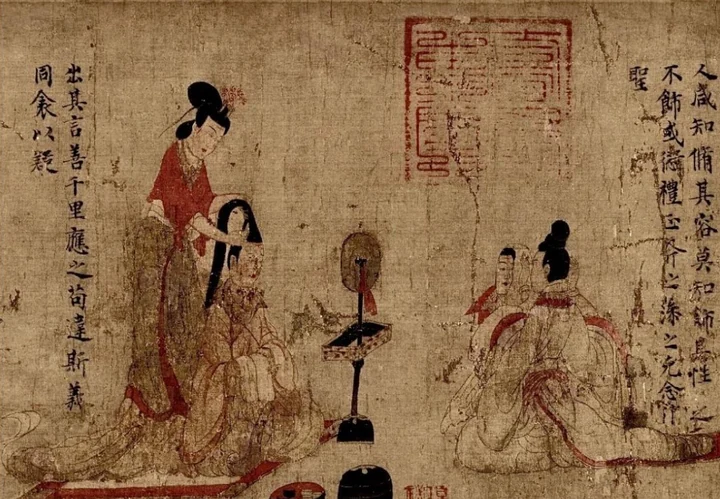
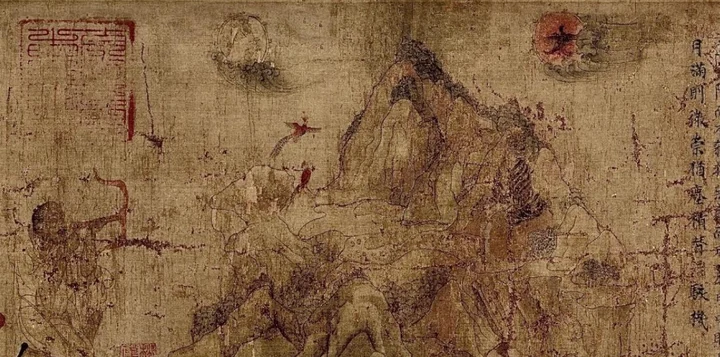
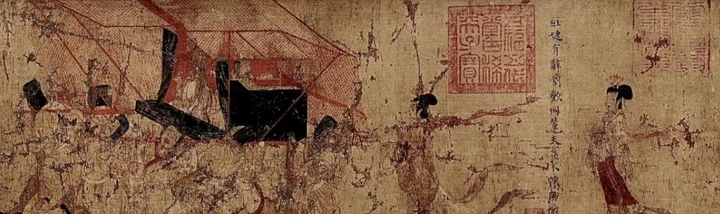
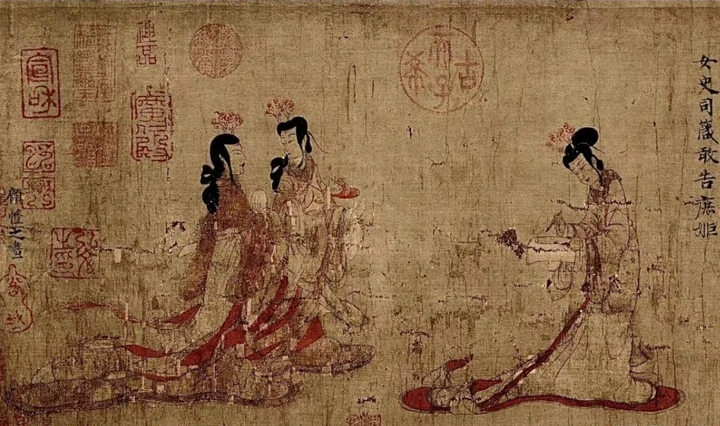
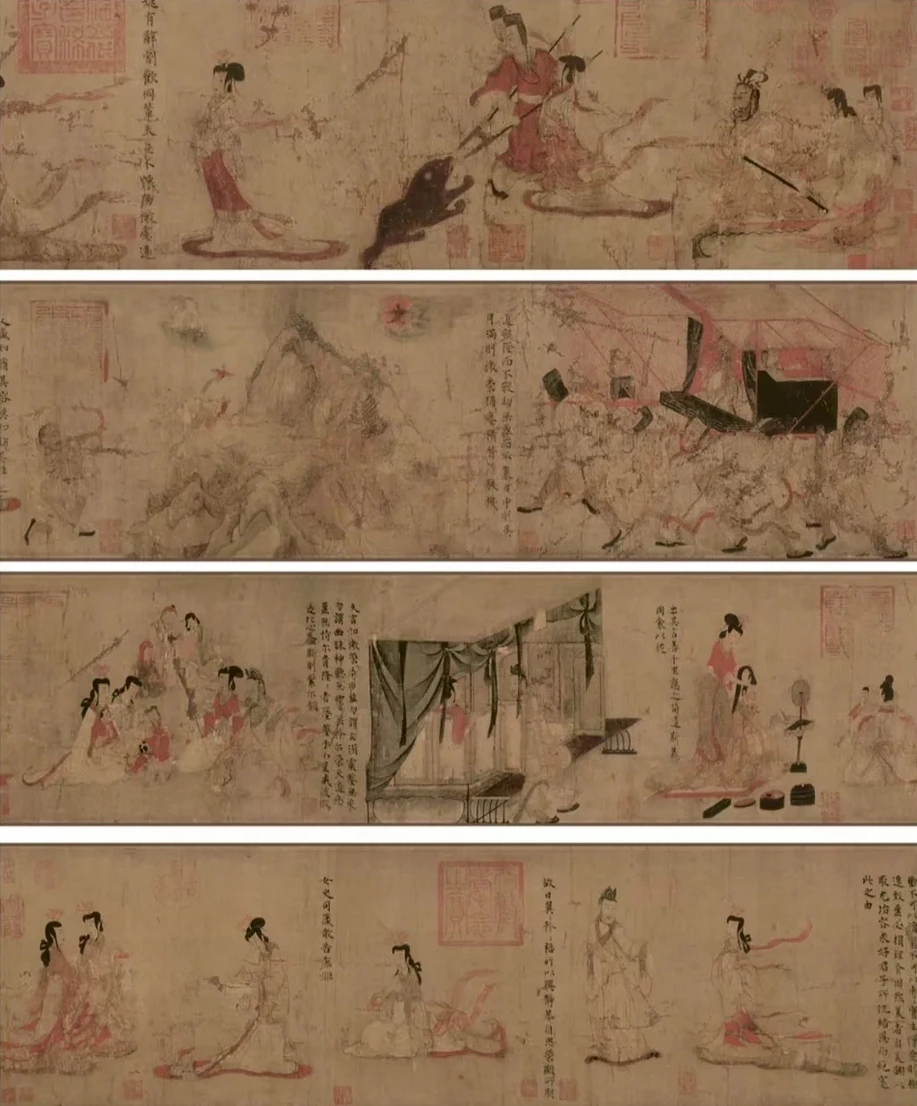
The Admonitions Scroll is a painting on silk created by Gu Kaizhi (c. 346-407), a painter of the Eastern Jin dynasty, based on the text The Admonitions Scroll written by Zhang Hua, a literary scholar of the Western Jin dynasty. It is renowned as one of the earliest Chinese narrative paintings and the earliest extant painting on silk. The background of its creation lies in the reign of Emperor Hui of the Western Jin, during which Empress Jia Nanfeng wielded power tyrannically and threw the imperial court into disorder.
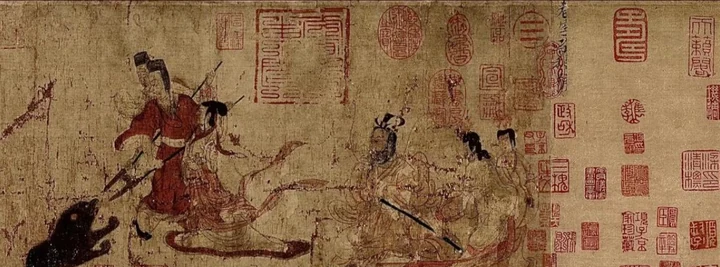
In response, Zhang Hua composed the The Admonitions Scroll to exhort the imperial consorts and concubines to observe ritual propriety and cultivate moral virtue. Subsequently, Gu Kaizhi illustrated the text, selecting twelve stories and vividly depicting exemplary deeds of virtuous women, such as Feng Yuan Standing Before the Bear and Ban Jieyu Declining the Chariot, aiming to use historical parallels to admonish the present and to propagate feudal feminine virtue.